Type & subtype
Defines the disease more precisely than the word “cancer” alone.
The treatment atlas
A treatment plan is built from multiple clues: cancer type, stage, biomarkers, overall health, previous treatments, and the goals of care. Many people receive more than one type of treatment.
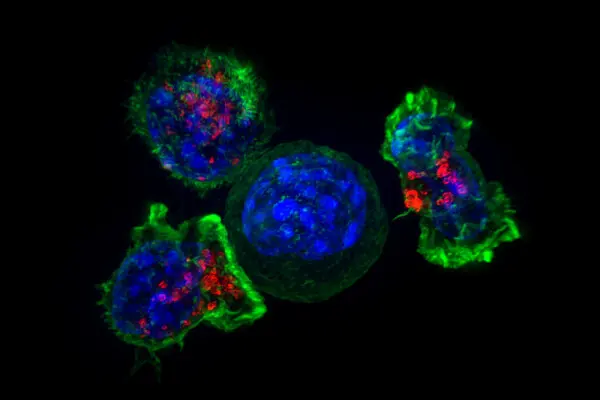
The field visualizes one part of immune biology studied in cancer research. It does not show the effect of a specific treatment.
NIH · Public domain ↗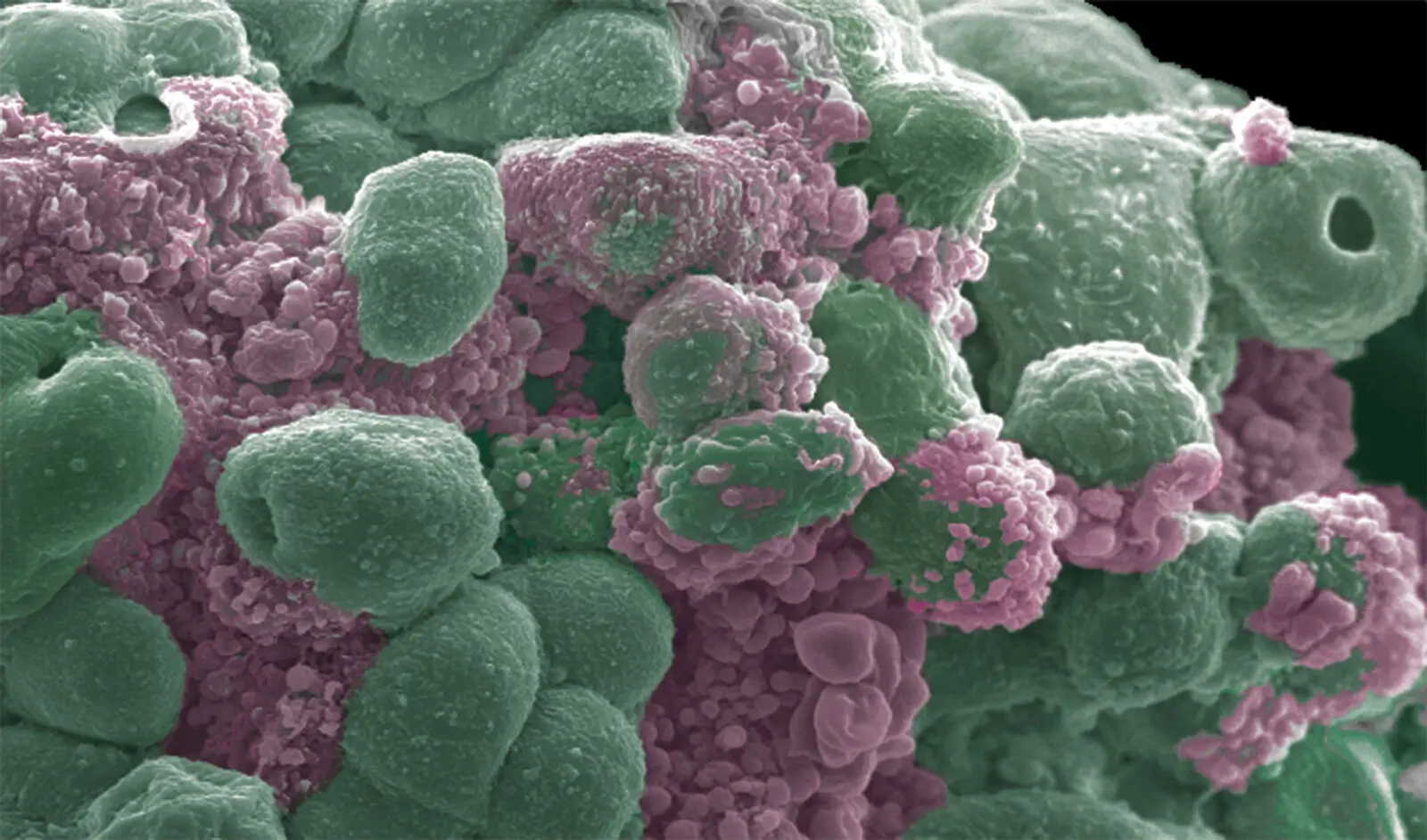
A laboratory research platform—not an approved treatment or a patient result.
CC BY 4.0 · Rights ↗There is no single cancer treatment because cancer is not one disease. The same treatment can play different roles depending on the diagnosis and goal.
01 / BUILDING A PLAN
Care teams consider where a cancer began, its exact type, how far it extends, molecular features, and a person’s health and preferences. Treatment may aim to remove or destroy cancer, lower the chance of recurrence, slow growth, or relieve symptoms.
Defines the disease more precisely than the word “cancer” alone.
Describes how much cancer is present and where it is located.
May reveal features connected to particular treatment choices.
02 / LOCAL APPROACHES
Most often used for solid tumors in a defined area. Surgery can diagnose, stage, or treat cancer depending on the situation.
Uses high doses of radiation to damage cancer cells and shrink tumors. It is often directed at a particular part of the body.
Local treatment can still affect healthy tissue near the target. The expected benefits, risks, and side effects depend on the exact procedure and location.
03 / SYSTEMIC APPROACHES
Uses drugs to kill cancer cells or slow their growth. It can also affect healthy cells that divide quickly.
Includes several approaches that change or strengthen parts of the immune response.
Can slow cancers that use certain hormones to grow, including some breast and prostate cancers.
Can restore stem cells after very high-dose treatment in certain blood cancers and related conditions.
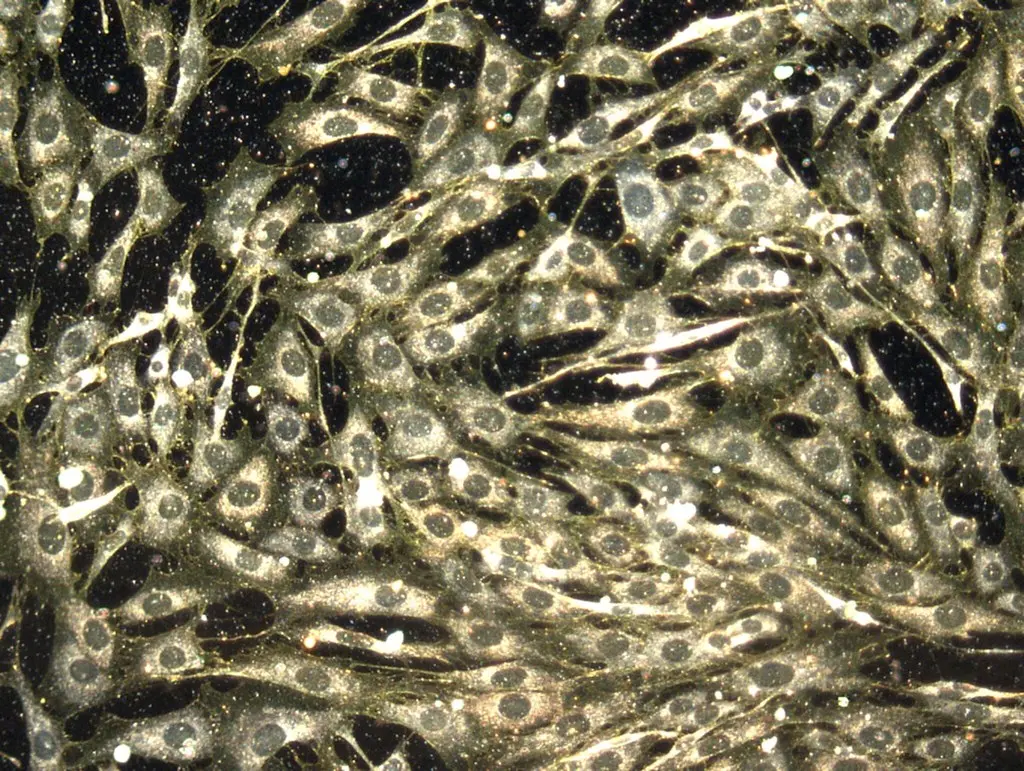
Nanoparticles are studied as possible imaging and delivery tools. This image is experimental evidence, not proof of clinical benefit.
NIH · Public domain ↗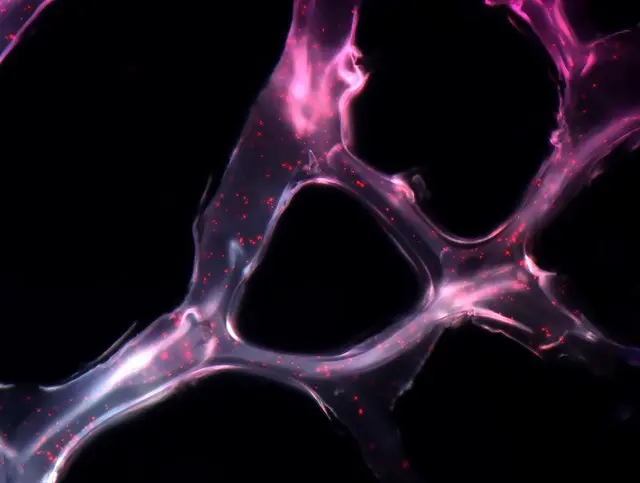
A nanoscale delivery concept visualized by electron microscopy. It is a research platform, not an available cancer treatment.
CC BY 4.0 · Rights ↗04 / PRECISION APPROACHES
Targeted therapies act on specific proteins or other changes that help cancer cells grow, divide, or spread. Biomarker testing may be needed to learn whether a target is present.
A detected target does not guarantee that a treatment will work. Cancer cells can also change over time or find another way to grow, which may create treatment resistance.
Surgery, radiation, medicines, and supportive care can be used before, during, or after one another. The order and combination are specific to the person and cancer.
SOURCES / LEARN MORE
General education only. This page does not recommend treatment. A qualified oncology team must evaluate individual choices, risks, and benefits.