Genes & biomarkers
Separate inherited risk testing from tests performed on cancer cells.
Open archive file 02 →Replace fear with facts
Cancer misinformation can create unnecessary fear or distract from useful care. These explanations summarize common myths and link directly to the National Cancer Institute.
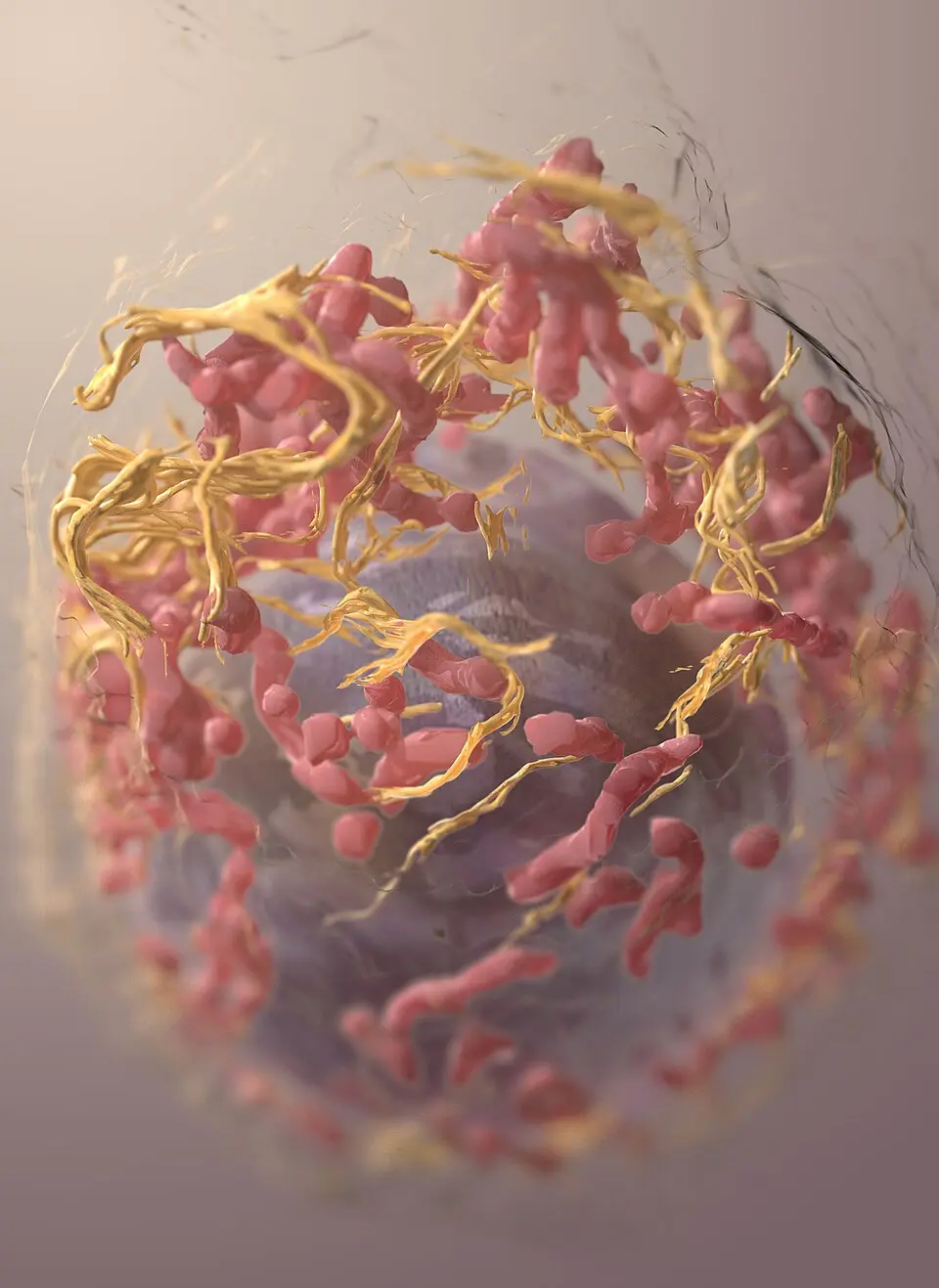
Method, preparation, scale, and source all shape what we see. One isolated image cannot diagnose cancer or predict an outcome.
NCI · Public domain ↗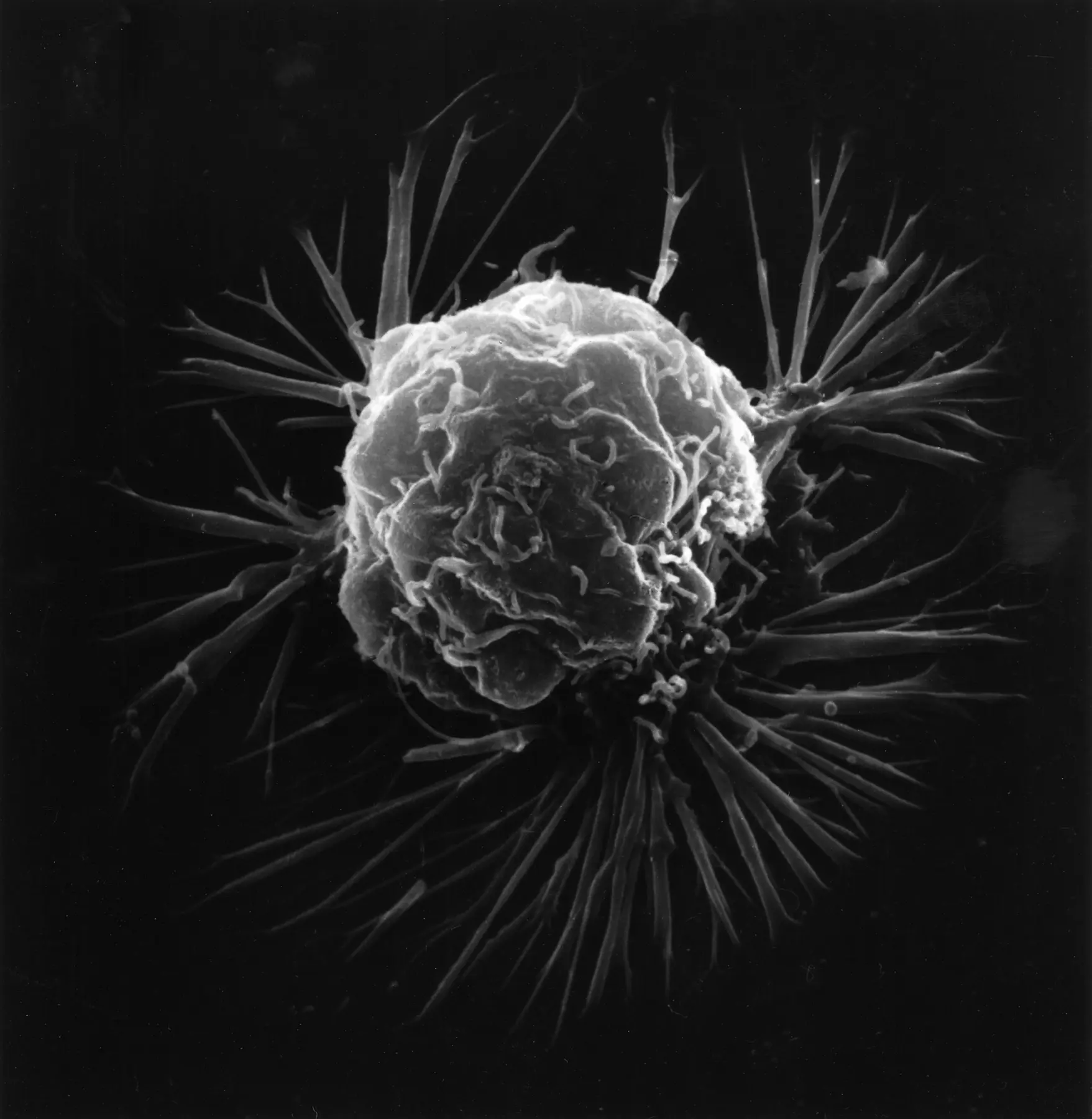
Reliable explanations connect the image to evidence instead of turning it into a myth.
NCI · Public domain ↗A useful fact check does more than say “false.” It explains which part of a claim is wrong and what the evidence supports instead.
MYTH 01 / CONTAGION
In general, cancer is not contagious. Some infections can increase the risk of certain cancers, but the infection and the cancer are not the same thing. The cancer itself does not spread between people through ordinary contact.
An infectious virus or bacterium can pass between people. A cancer that may develop after an infection cannot.
MYTH 02 / DIAGNOSIS
The chance that standard surgery or biopsy procedures cause cancer to spread is extremely low. Clinical teams use established techniques to collect tissue safely. Biopsy can be essential for confirming a diagnosis and learning which type of cancer is present.
Different biopsy methods have different risks, and a clinician should explain the procedure recommended for a specific situation.
MYTH 03 / METABOLISM
Research has not shown that removing sugar from the diet makes cancer shrink or disappear. Cancer cells use glucose, but so do healthy cells. Nutrition during cancer care is individual, and major diet changes should be discussed with the care team.
MYTH 04 / EMOTION
There is no convincing scientific evidence that attitude determines a person’s risk of developing or dying from cancer. People may feel hopeful, angry, frightened, discouraged, or many things at once. Those emotions are not a treatment outcome and are not a personal failure.
MYTH 05 / INHERITANCE
Most cancer-causing gene changes happen during a person’s lifetime. A smaller share of cancers are connected to inherited harmful genetic variants. Having a family history can change risk, but it does not make cancer certain; having no family history does not make risk zero.
Separate inherited risk testing from tests performed on cancer cells.
Open archive file 02 →See how risk, early detection, and lasting changes fit together.
Open archive file 05 →SOURCE / LEARN MORE
General education only. Questions about a procedure, diet, family history, or treatment should go to the appropriate qualified health professional.