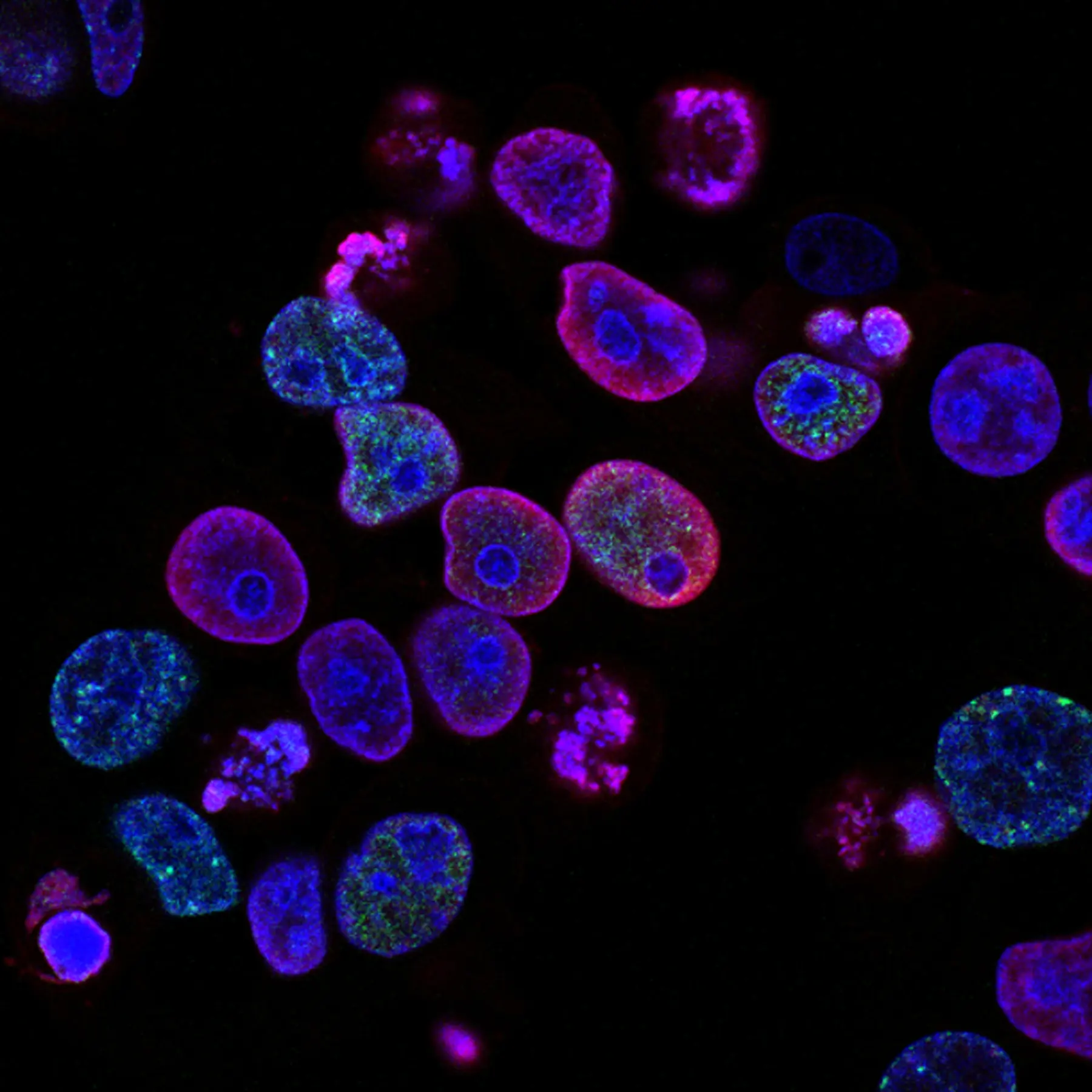
Two people with cancers in the same organ may receive different plans. The reason is precision: the name of the organ is only one part of the cancer’s identity.
01 / THE INPUTS
A treatment plan begins with multiple clues.
Clinical teams may consider cancer type and subtype, stage, grade, biomarker results, where the cancer is located, a person’s overall health, previous treatment, and the goals and preferences discussed with that person.
Some treatment aims to remove or destroy cancer. Other treatment may aim to control growth, reduce the chance of return, or relieve problems caused by the disease. The purpose of a treatment is part of understanding the plan.
02 / LOCAL TREATMENT
Some tools focus on a defined area.
Surgery removes cancer from the body and is commonly used for solid tumors when removal is possible. Radiation therapy uses high doses of radiation to damage cancer cells in a targeted area.
These are often described as local treatments because their main effect is directed at a particular location, although the exact plan is always specific to the situation.
03 / SYSTEMIC TREATMENT
Other tools travel through the body or follow a target.
Fast-dividing cells
Uses drugs that kill or slow the growth of cancer cells.
Specific changes
Acts on particular proteins or other changes that help cancer grow.
Immune response
Helps the immune system recognize or fight cancer more effectively.
Growth signals
Slows cancers that use certain hormones to grow.
Stem cell transplants and other approaches are used for some cancers. Eligibility, benefit, and risk depend on the exact clinical context.
04 / PLANS AND SEQUENCES
More than one treatment may work together.
A plan may use treatments in sequence or combination. One treatment may come before another, occur at the same time, or follow it to reduce the chance that cancer returns. The plan can also change based on how the cancer responds and how the person tolerates treatment.
The right question is not “Which treatment is best?” It is “Which plan fits this cancer and this person?”
SOURCES / LEARN MORE
Explore treatment without the hype.
NCITypes of Cancer Treatment↗NCIBiomarker Testing for Treatment↗General education only. This article does not recommend a treatment or replace an individual discussion with a qualified care team.